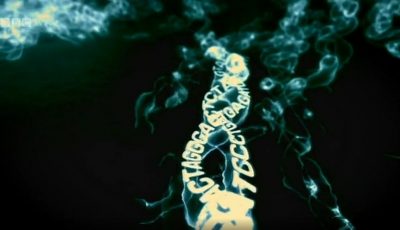
A look at the veracity of scientists' claims that they are on the verge of being able to predict our futures by analysing our genes and ...
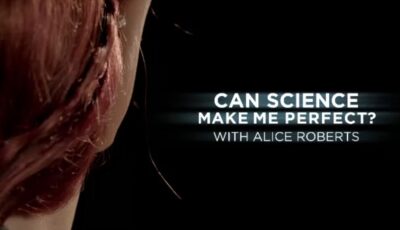
Anatomist Alice Roberts embarks on a quest to rebuild her own body from scratch, taking inspiration from the very best design...
Norman Borlaug used selective breeding techniques to improve wheat production in Mexic...
For thousands of years we have been selectively breeding farm animals to make them more and more productive. But in recent years there has b...
Adam finds out about his farming hero, Robert Bakewell. Back in the 18th century, Bakewell introduced the concept of selective breeding into fa...
The government are going to hold a consultation in the autumn on whether to allow gene editing. Charlotte Smith hears ...
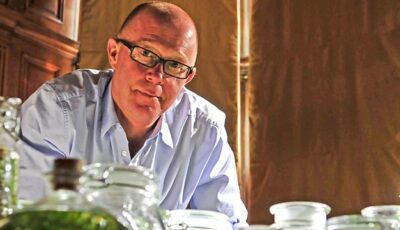
Timothy Walker looks at how pioneer botanists unlocked the patterns found in different types of plants and opened the door to a ...
Two teams of researchers, one in US, one in UK use radically different genetic techniques in the race to find an effective treatment against cystic f...
Professor Robert Winston meets families who benefitted from breakthrough's in research which lead to IVF treatments.
Liz Bonnin looks at the controversial science of genetically modified crops in Hawaii, while Dallas tries to remedy Jem's dust allergy by making ...
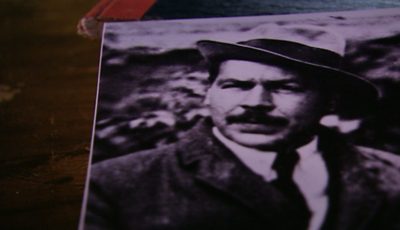
Nikolai Vavilov’s work crossing plant varieties led him to establish the first seed bank.
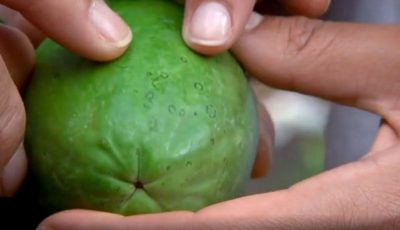
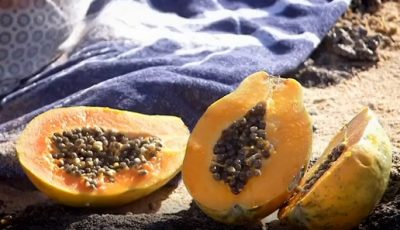
An examination of the need for, and the potential issues with, the genetic modification of papayas in Hawaii.
What evolution has provided us with is a human body that works as a whole package: you can't replace ind...
There are many moral and ethical concerns about the extent to which science should utilise our knowledge of genetic engineering.
CRISPR could potentially help people with inherited diseases, such as sickle cell disease, in the future.
A yoghurt company discovered their holy grail, which just happened to be CRISPR: a microbial immune system.
Gene therapy, is contoversial, complex, yet valuable science.
Whether genetic technology causes social harms is really up to us and how we choose to use it.
Stem cell research raises ethical issues, which makes some people uncomfortable about it, in spite of the potential benefits.
In the 1980s in Britain, the search to link diseases to specific genes began by focusing on Duchenne Muscular Dystrophy.
The breeding of racehorses with desirable characteristics is an example of artificial selection.
Brian Cox explores the science behind the genetic modification of plants, and the ongoing debate a...
How pioneer botanists opened the door to a new branch of science - plant genetics.
Cookies help us run our services and give you a better experience. For the full details please read our Cookie Policy.