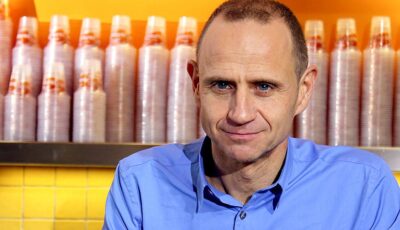
With British business leaders, Evan Davis reveals how marketing and publicity plans can turn from clever ideas in...
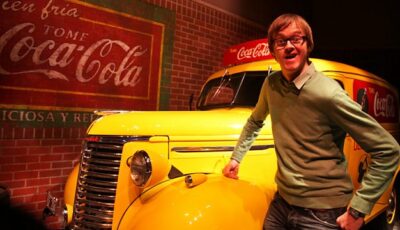
Alex Riley is on the trail of the global food and drink giants. What's so special about them? How have they penetrated our brains so we ...
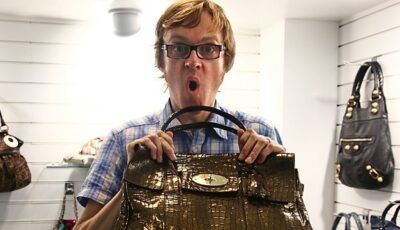
Fashion novice Alex Riley dives into the world of clothing superbrands to find out how these billion dollar global organisations have...
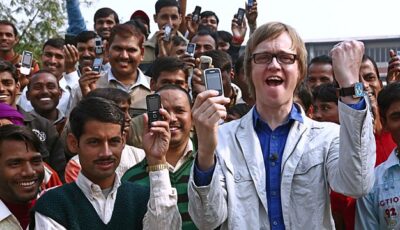
Alex Riley explores the world of the technology superbrands - how they get us to buy their stuff, trust them and even idolise them...
Series on the history of British television advertising discusses how advertising in post-war Britain can be viewed as a barometer of t...
Series on the history of British television advertising explores the use of fantasy and aspiration to sell products such as Babyc...
Series on the history of British TV commercials looks at the portrayal of men from the 1950s to the 80s and beyond.
This episode looks at how adverts for cleaning, shopping and cooking products have, or have not, cha...
Looking at why the nation became obsessed with coffee shops, and how the brands do battle for our custom. With behind-the-scenes ...
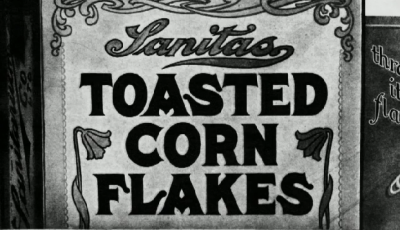
Helen goes behind the scenes of iconic cereal brand Kellogg's to see what makes Corn Flakes and Frosties so grrreat, before finding ...
The '80s embedded the idea of supermum who does it all, but despite progress away from traditional gender roles, a tendency t...
In the '70s and '80s, advertisers tried to cash in on housewives having time for themselves away from the stresses of their daily tasks and eve...
The evolution of the ''Life with Katie'' adverts for Oxo, where characters were recognisable and offered trends in lifestyle other than ...
'Germs replaced Germans'' post-war and housewives new battle with was with the unseen germs of the toilet.
Explanation of how the traditional housewife was the prime target for advertising post-WWII and the concepts used in campaigns.
Guests discuss the concept of ''whiteness'' with cleaning products and what this symbolises for the traditional housewife.
The concept of the "daily-dose" was in the introduction of the idea that food could be functional a...
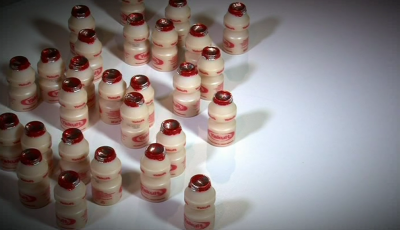
Danone saw Yakult's success and jumped on it, creating their version of the concept and taking 50% of the market sh...
Yakult changed Britain's perception of "bacteria" and managed to convince us to drink 100,000 bottles a day.
Prize came out as Ski's competitor and as such had to market itself differently.
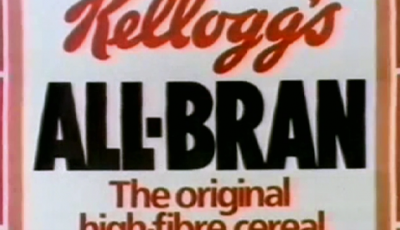
At first bran flakes weren't popular due to their taste, but advertisers soon saw to this after some catchy jingles pushed...
Yakult began the UK's love-affair with "health foods" in 1996, with a push from food companies championing products tha...
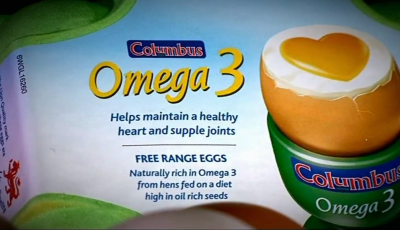
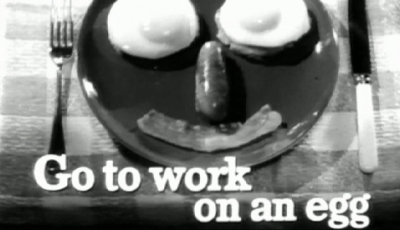
The Egg Board in the UK went to war with the cereal companies doing some famous advertising of their own, on...
Kellogg's as a brand was a pioneer when it came to advertising , particularly with the advent of television.
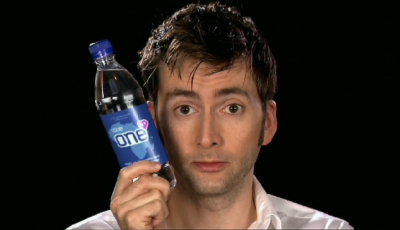
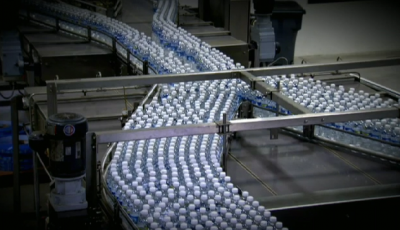
One Water initiated positive branding and encouraged other water companies to provide water to pla...
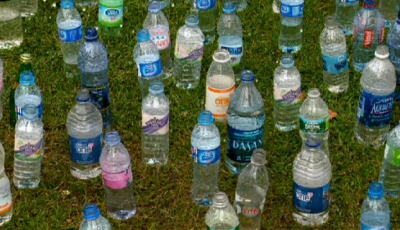
After a report from the WHO recommending the drinking of 2 litres of water a day, bottled water companies j...
Why would we pay for something we can get for free? Branding.
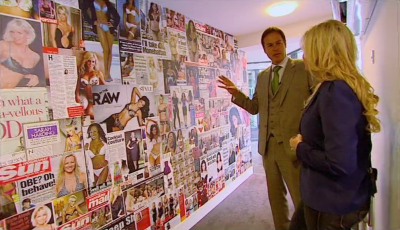
Peter learns how Michelle, head of Ultimo lingerie, used celebrity and gossip to her advantage.
Cookies help us run our services and give you a better experience. For the full details please read our Cookie Policy.