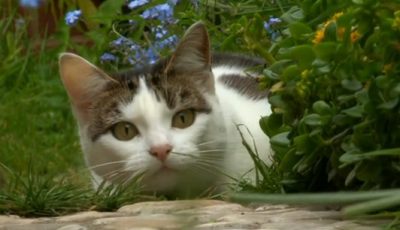
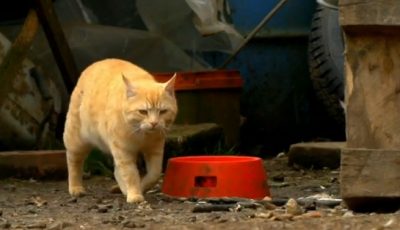
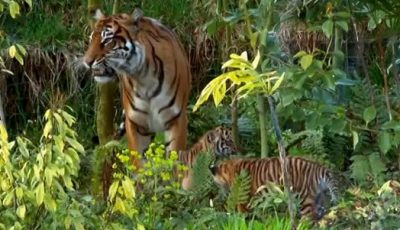
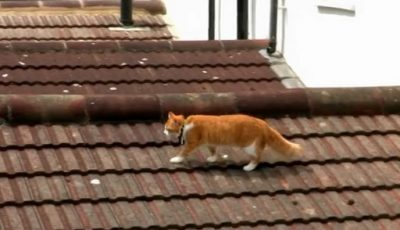
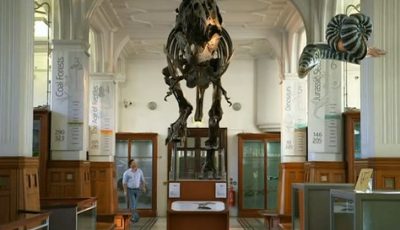
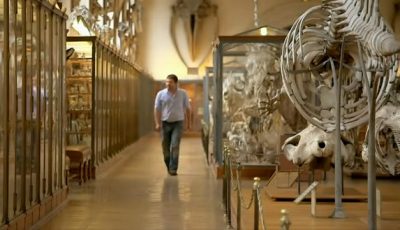
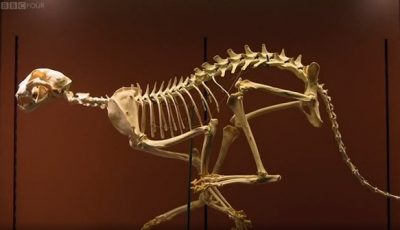
Liz Bonnin and a team of experts conduct a groundbreaking scientific study of cats. They reveal the secret language ...
Liz Bonnin and a team of experts conduct a groundbreaking scientific study of cats, revealing how cats...
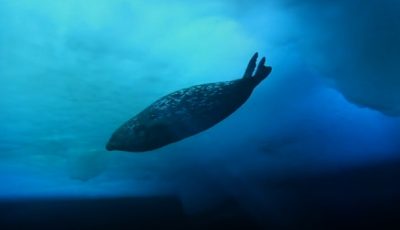
The Weddell seal is perfectly adapted to survive in the environment it must endure.
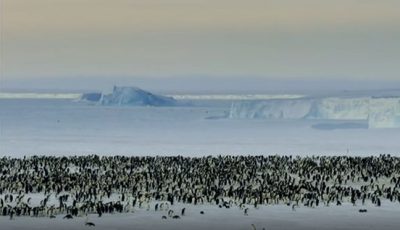
Penguins are adapted to survive and thrive both in the sea and on land.
Penguin chicks are extraordinarily adapted to survive in harsh environments.
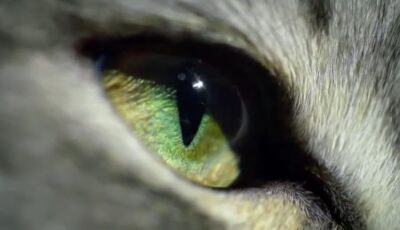
Cats have sensory evolutionary advantages which enable them to be sucessful predators.
Cats have exceptional hearing as a result of a variety of evolutionary advantages.
Cats leave chemical messages to other cats, which can be picked up with their exceptional sense of smell, whic...
Cats continue to have characteristics inherited from their ancestors.
All cats are born with an innate desire to hunt, but most are taught how by their mothers.
Domesticated cats have evolved to be able to communicate as effectively with humans as with other felines.
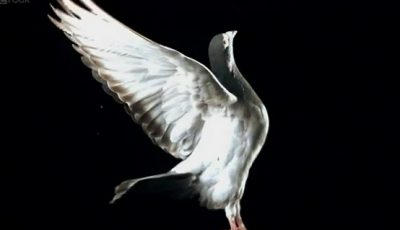
While pigeons have adapted to be all rounders, other birds have adapted to be able to execute specialised forms of flight.
The pentadactyl limb adaptation, first seen over 300 million years ago, has helped a variety of animals to fly, from dinosaurs to bats.
Gibbons are the acrobats of the primate world, perfectly adapted to life in the trees.
Snakes, cheetahs and gazelles each have specially adapted vertebrae that help them to survive.
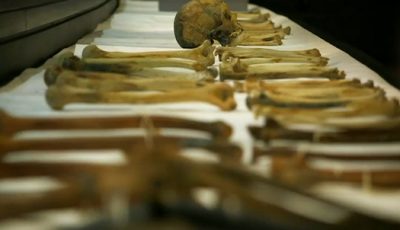
Large land mammals bone structures are perfectly adapted to help them to survive.
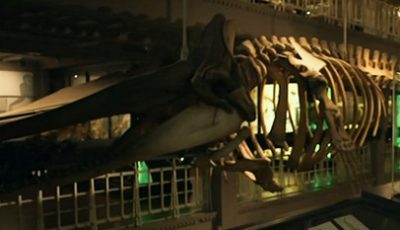
Sperm whales have extraordinary sensory capabilities, and use echolocation to hunt and locate their prey.
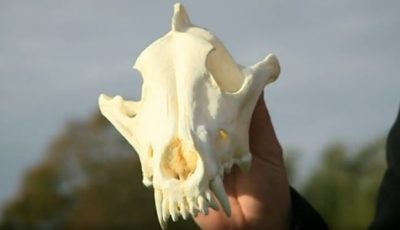
While skulls evolved in order to protect the brain, they've since adapted to become a sensory hub.
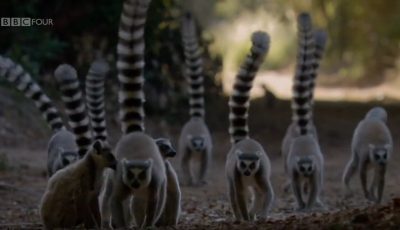
Smell is of particular importance to the primates of Madagascar: the lemurs.
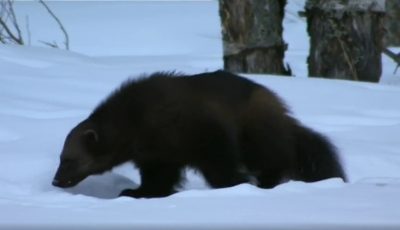
How wolverines have adapted to finding and eating food in the snow.
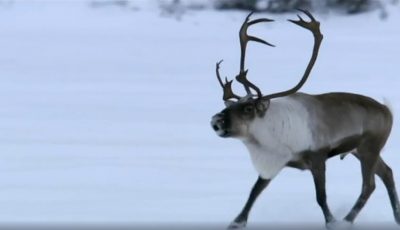
An exploration of how reindeer have adapted to living in freezing climates.
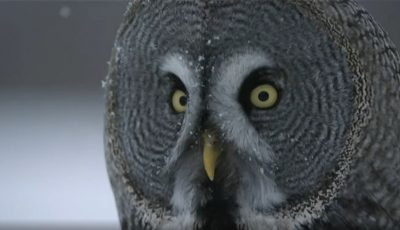
An exploration of how the great grey owl has adapted to catching it's prey.
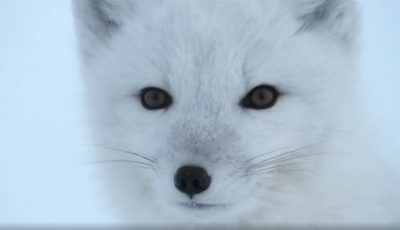
An exploration of how the artic fox's coat has adapted to survival in arctic winters.
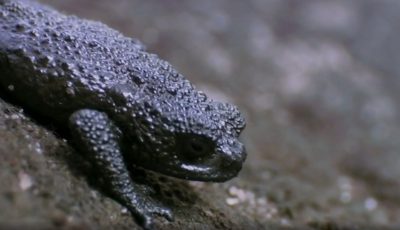
A toad deploys its defence mechanism in order to evade a toad eating tarantula.
Cookies help us run our services and give you a better experience. For the full details please read our Cookie Policy.